Essential Camera Settings Every Travel Photographer Should Know
Recent Trends in Travel Photography Gear
Travel photography has shifted toward lighter, more adaptable equipment. Mirrorless systems now dominate the carry-on kits of many regular travelers, while high-end smartphone cameras increasingly offer raw capture and manual controls. At the same time, computational features—such as auto-exposure blending and scene recognition—are common, yet many photographers still rely on a handful of core manual settings to guarantee consistent results under unpredictable conditions.
Background: Why Camera Settings Matter on the Road
Whether shooting a bustling market, a dimly lit temple interior, or a fast-moving street scene, travelers encounter light that changes without warning. Mastering three fundamental controls—aperture, shutter speed, and ISO—allows a photographer to adapt on the fly without depending solely on automatic modes that may misinterpret the scene.
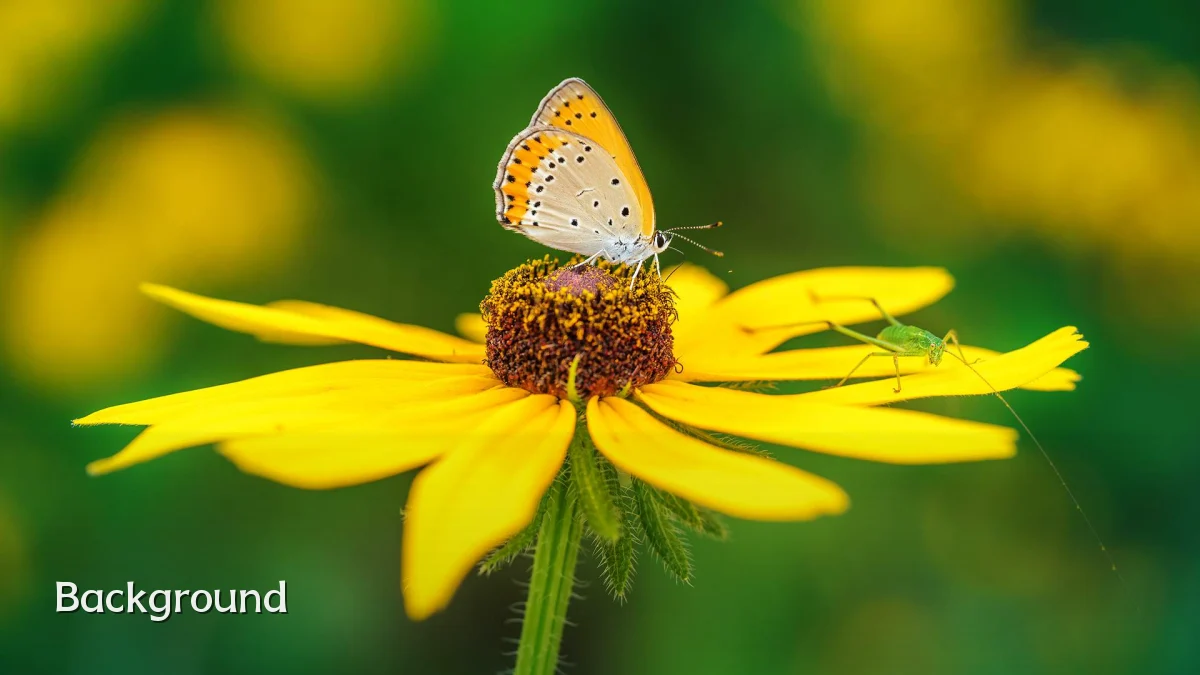
- Aperture controls depth of field; a wider aperture (e.g., f/2.8) isolates subjects and helps in low light, while a narrower aperture (e.g., f/8 or f/11) keeps entire landscapes sharp.
- Shutter speed freezes motion or introduces blur. For handheld shots without stabilization, speeds faster than roughly 1/60th of a second reduce camera shake.
- ISO adjusts sensor sensitivity. Keeping it as low as practical (ISO 100–400) preserves detail, while higher values (ISO 1600–6400) become useful in dim conditions at the cost of increased noise.
User Concerns: Common Mistakes and Practical Solutions
Travel photographers often forget to review their settings after moving between drastically different environments—stepping from shade into direct sunlight, for example. Many also default to auto white balance, which can produce unnatural color casts under mixed artificial or warm golden-hour light. Battery life and memory card space are persistent practical worries, but wasted shots from incorrect settings compound these issues.
- Exposure compensation is faster than full manual in rapidly changing light; a +0.7 to +1.0 EV step prevents silhouetting in bright snow or sand.
- White balance should be set manually for consistent color when shooting JPEGs; raw shooters can adjust later but benefit from a preset (e.g., “Daylight” or “Cloudy”) that matches the dominant light source.
- Focus mode – single-point AF for static compositions, continuous or tracking AF for moving subjects such as street performers or wildlife.
- File format – raw gives maximum editing latitude, but JPEG with a careful in-camera profile saves storage and processing time for quick sharing.
Likely Impact on Trip Quality and Workflow
Using appropriate settings dramatically reduces the number of disappointing images at the end of a trip. Fewer shots need correcting in post-processing, saving time on the road or after returning home. Photographers who consistently choose the right aperture and shutter speed can also shoot handheld in lower light without carrying a tripod, lightening their pack. The immediate result is a set of images that more accurately capture the atmosphere and details of each location.
What to Watch Next: Emerging Tools and Techniques
Advances in in-camera processing—such as focus stacking, multi-shot noise reduction, and automatic subject detection—continue to blur the line between manual control and computational assistance. Future firmware updates for current cameras may introduce better high-ISO denoising algorithms or more intuitive exposure aids. Photographers should also watch for improved electronic viewfinders that simulate the final image before capture, making it easier to judge settings even in bright daylight.
As travel gear becomes more compact and AI-driven, the core settings described here will remain the foundation for deliberate, repeatable results. The key is to practice adjusting them quickly so that adjusting the camera becomes second nature, allowing full attention on the scene and the story.