How to Build a Reputation for Trusted Travel Photography in 2025
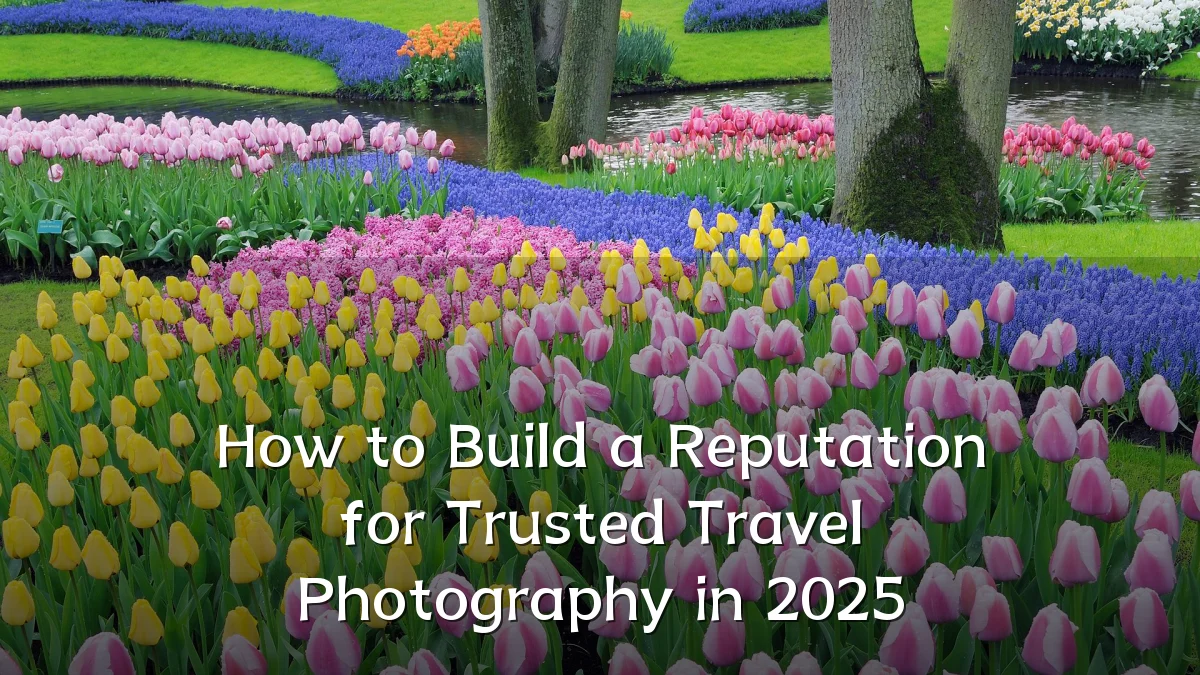
Travel photography has entered a new era where authenticity often competes with algorithmic appeal. As audiences grow wary of heavily staged or misleading imagery, photographers seeking long-term credibility must adapt their workflows, disclosure habits, and visual storytelling. This analysis examines the key factors shaping trust in travel photography this year.
Recent Trends
Three converging shifts are redefining what counts as trustworthy travel imagery:

- AI-generated and heavily edited content – Tools that remove tourists, replace skies, or composite scenes are now common. Platforms increasingly require labels for synthetic or manipulated images, and detection software is improving.
- Audience demand for context – Viewers want to know not only where a photo was taken but also when, under what conditions, and whether local people or environments were respected. Captions with location and date stamps are becoming a minimum expectation.
- Rise of verifiable visual journalism – Some photographers now embed metadata — such as GPS coordinates, camera settings, and unedited raw thumbnails — into their online portfolios to prove provenance.
Background
Trust in travel photography was historically assumed, partly because editing was limited and travel photography was tied to editorial or documentary assignments. The explosion of social media and user-generated content blurred lines between personal narrative and commercial promotion. By the early 2020s, “travel influencer” culture had normalized heavy retouching, staged candids, and paid placements presented as genuine experiences. This eroded audience confidence. In response, platforms like Instagram and Pinterest updated their policies on manipulated media, while agencies and tourism boards began requesting proof of authenticity before licensing images.
User Concerns
Photographers and consumers alike report several recurring worries:
- Loss of credibility – A single undetected fabrication can damage a photographer’s entire portfolio reputation, especially when clients or publications later discover discrepancies.
- Ethical gray areas – Where does enhancement cross into deception? Removing a litter bin from a landscape may be acceptable; removing a local person or altering a landmark’s condition is not.
- Algorithmic penalties – Some social platforms have begun downranking accounts flagged for excessive editing or missing disclosure labels.
- Cultural misrepresentation – Travel photos that mislead viewers about the lived reality of a destination can harm local communities and perpetuate stereotypes.
Likely Impact
Industry observers project several near-term consequences for photographers who prioritize trustworthiness:
- Higher editorial and commercial demand for photographers who can provide raw files or detailed shooting logs.
- Growth in platforms that certify or badge verified travel photography, similar to “climate-neutral” or “fair-trade” labels.
- Increased reliance on long-form captioning and behind-the-scenes content to demonstrate process authenticity.
- Potential decline in highly polished, anonymous travel images – audiences may favor imperfect, candid shots that feel real.
- Greater collaboration between photographers and local guides or cultural advisors to ensure respectful and accurate representation.
What to Watch Next
Several developments are likely to influence how trust is built and maintained in the coming months:
- Metadata standards – Expect wider adoption of C2PA (Coalition for Content Provenance and Authenticity) or similar frameworks that embed tamper-evident provenance.
- Platform policy enforcement – How strictly social media and licensing marketplaces enforce disclosure rules will shape photographer workflows.
- User education – Audiences may become more savvy about spotting manipulation, which could reward transparency.
- New monetization models – Subscription services that promise unretouched or minimally edited travel photography could attract buyers looking for reliable visuals.
- Ethical guidelines from professional bodies – Trade associations are likely to release updated codes of conduct for travel imagery by mid-2025.