Mastering Light: Essential Lighting Techniques for Professional Travel Photography
Recent Trends
Travel photography professionals are increasingly moving beyond golden-hour reliance. The latest trend involves compact, multi-functional lighting kits that blend natural and artificial sources without compromising mobility. Portable LED panels with color-temperature adjustability and small softbox attachments have gained traction, enabling photographers to shape light in airport lounges, busy markets, or low-light interiors.
- Hybrid approach: combining ambient light with small on-camera or off-camera strobes.
- Rise of vlog-style and documentary work requiring consistent face lighting in changing conditions.
- Lightweight modifiers (e.g., collapsible reflectors, mini beauty dishes) designed specifically for carry-on luggage.
Background
For decades, travel photographers relied almost exclusively on available light — typically the warm hues of sunrise and sunset. As digital sensors improved dynamic range, off-camera flash became viable in compact form. Yet many professionals resisted because of bulk and complexity. Recent camera firmware offers better exposure previews, and external flashes now communicate wirelessly via radio triggers, making off-camera setups more practical on location.
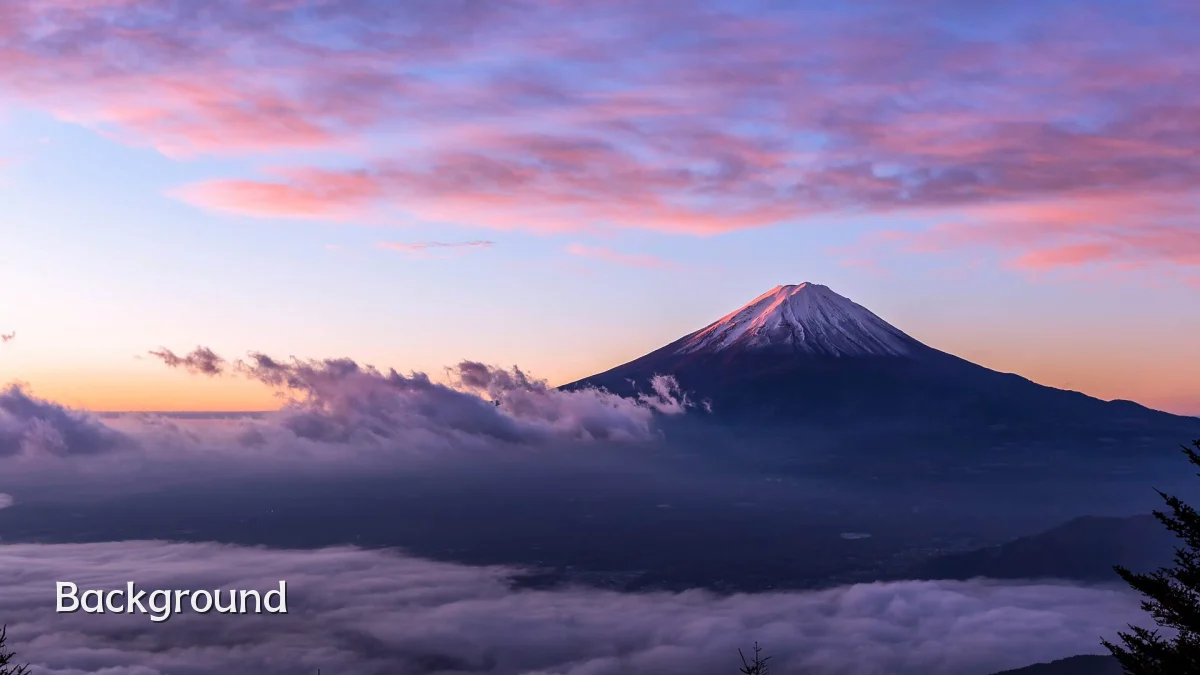
- Golden hour remained the default because diffused, directional light flatters subjects naturally.
- Sensor advancements allow pulling detail from shadows, reducing the need for fill flash in many scenes.
- High-speed sync (HSS) has become standard, letting photographers overpower bright backgrounds.
User Concerns
Despite these innovations, working professionals face persistent trade-offs. Weight and size of lighting gear directly affect mobility and airline restrictions. Battery life and recharging options vary widely across destinations, especially in remote areas. The learning curve for balancing multiple light sources while under time pressure can also lead to missed moments.
- Gear weight: a full strobe kit may exceed airline carry-on limits; LED panels offer lighter alternatives but less output in direct sun.
- Weather unpredictability: sudden shade or harsh midday sun demands quick adaptation.
- Post-processing overhead: blending multiple exposures or correcting color casts from mixed light sources can slow workflow.
Likely Impact
Adopting these techniques can significantly improve image consistency across diverse travel scenes. Proper use of portable light helps maintain a professional look even in flat or contrasty conditions, reducing the need for heavy retouching. However, the investment in gear and practice time may initially slow production. The net effect will likely be a higher acceptance of artificial light in travel photography, blurring the line between studio and field work.
- Greater storytelling flexibility: subjects can be lit for emotional impact regardless of natural conditions.
- Reduced reliance on post-processing: accurate in-camera color and exposure saves editing hours.
- Potential barrier for beginners: the upfront cost and learning curve may discourage experimentation.
What to Watch Next
Artificial intelligence is beginning to appear in light meters and camera systems, offering real-time recommendations for balancing ambient and flash. Compact COB (chip-on-board) lights with integrated batteries are shrinking further. Reflector materials that fold flat and double as diffusers or bounce cards are becoming standard kit items. Additionally, online education platforms are producing targeted tutorials on location lighting, making the knowledge more accessible.
- AI-assisted exposure calculators for off-camera setups.
- Extremely portable, dual-purpose modifiers (e.g., umbrella-reflector hybrids).
- Increasing integration of tethering and remote control via smartphone apps.