Mastering Natural Light for Stunning Travel Portraits
Recent Trends in Travel Portrait Photography
Over the past few seasons, a shift away from heavily staged, flash-lit portraits has been evident in both social media and editorial work. Photographers increasingly seek authentic, natural-moment images that reflect the real atmosphere of a location. The rise of minimalist travel content and candid storytelling has pushed natural light to the forefront. Many creators now prioritize golden-hour shooting and shaded open spaces over studio-like setups, valuing mood and spontaneity over technical perfection.
Background: Why Natural Light Matters
Natural light offers several advantages for travel portraiture: it is universally available, requires no bulky gear, and renders skin tones and environmental textures with subtlety that artificial sources often struggle to match. Key lighting scenarios include:
- Golden hour – warm, low-angle light that sculpts faces and adds depth.
- Overcast skies – soft, diffused illumination that minimizes harsh shadows.
- Open shade – a consistent, flattering light found near buildings, trees, or awnings.
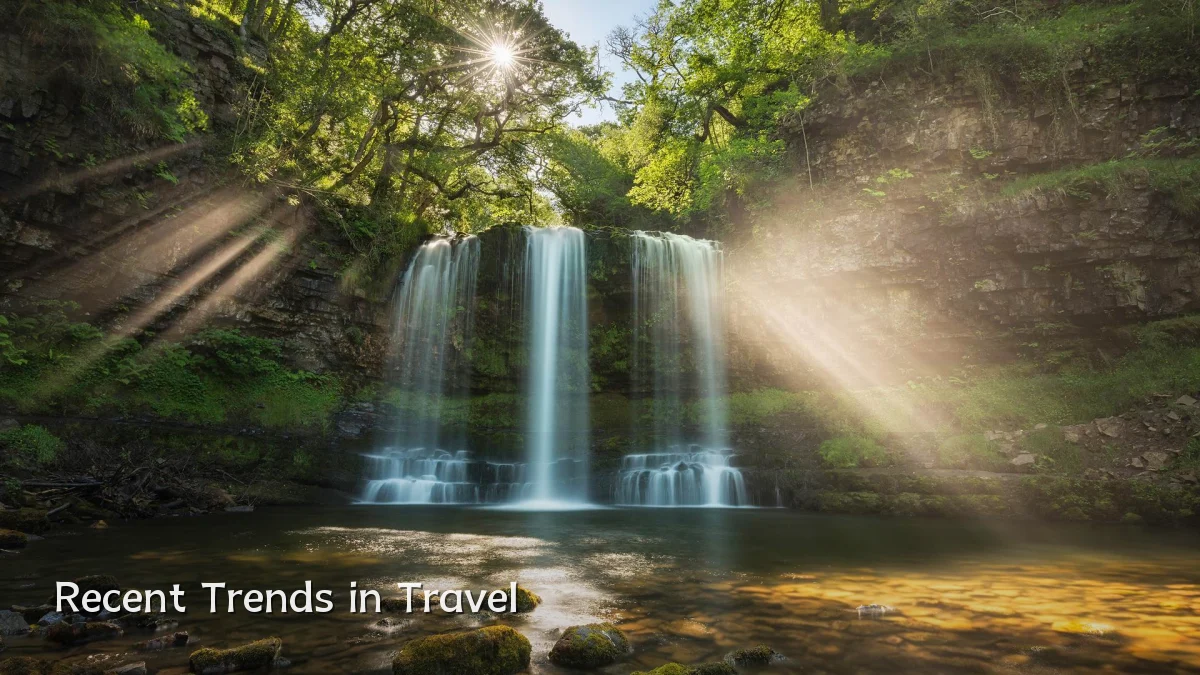
- Backlight – for rim highlights and a dreamy, ethereal feel when exposure is managed carefully.
Understanding these conditions allows photographers to adapt quickly without complicated equipment.
User Concerns and Common Pitfalls
Travel photographers often face unpredictable weather, limited time at locations, and subjects who may not be comfortable in front of the lens. Common concerns include:
- Harsh midday sun creating unflattering shadows and squinting subjects.
- Mixed lighting (e.g., sun and shade patches) causing exposure confusion.
- Overexposed backgrounds when shooting backlit subjects without compensation.
- Uncertainty about positioning the subject relative to the light source.
To address these, experienced practitioners recommend:
- Using a reflector or white clothing to bounce light into shadowed areas.
- Placing the subject’s face at an angle to the sun, not directly into it.
- Metering for the face and letting the background fall into highlight or shadow as needed.
- Scouting the location in advance to identify promising light pockets during the intended shoot time.
Likely Impact on Image Quality and Storytelling
Mastering natural light directly influences a portrait’s emotional resonance. A well-lit face against a context-rich background can convey a sense of place without distracting technical flaws. For example, using soft window light inside a local café can evoke intimacy, while open shade under a market awning can capture vibrant textures and authentic expressions. The impact extends to post-production: images with good natural light require less editing, preserving organic skin tones and environmental colors. This efficiency is especially valuable for photographers who publish quickly or work in remote areas with limited computer access.
What to Watch Next
The evolution of travel portrait photography is likely to see further refinement in how natural light is used. Emerging trends to monitor include:
- AI-assisted exposure tools – smartphone and camera features that suggest optimal lighting positions or simulate golden-hour effects.
- Educational content focused on light reading – more creators are teaching how to “read” a scene’s light quality rather than relying on presets.
- Lightweight diffusion accessories – collapsible panels and portable reflectors that fit into a daypack, making controlled natural-light portraits accessible anywhere.
- Hybrid workflows – combining natural light with tiny, battery-powered LEDs for fill, without sacrificing the dominant ambient feel.
As travel photography continues to prioritize authenticity and storytelling, the ability to harness natural light will remain a core skill, not a passing trend. Photographers who invest time in understanding its nuances—rather than chasing gear—will produce portraits that resonate with viewers and stand the test of time.